Pacific Oysters in the Pacific Northwest
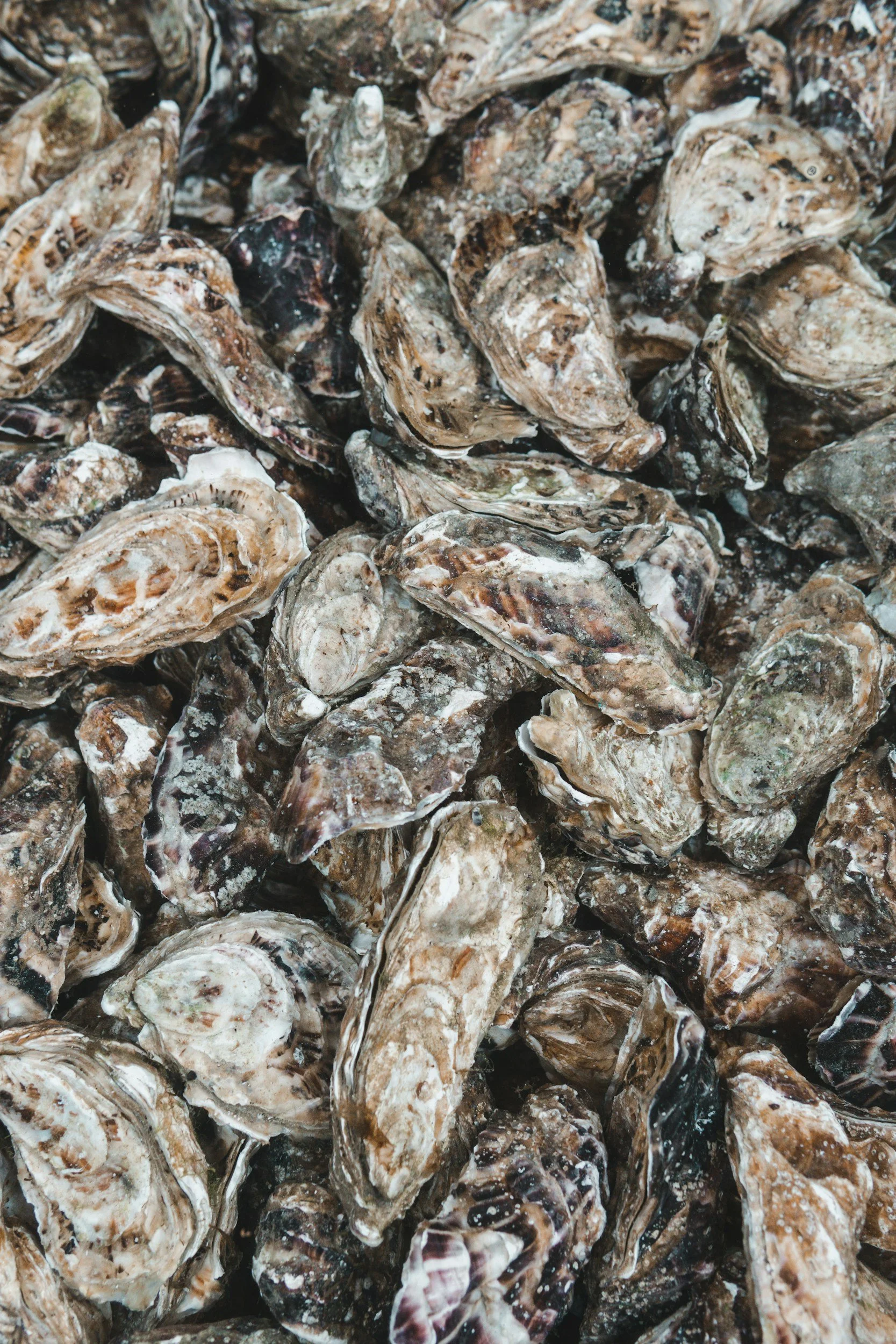
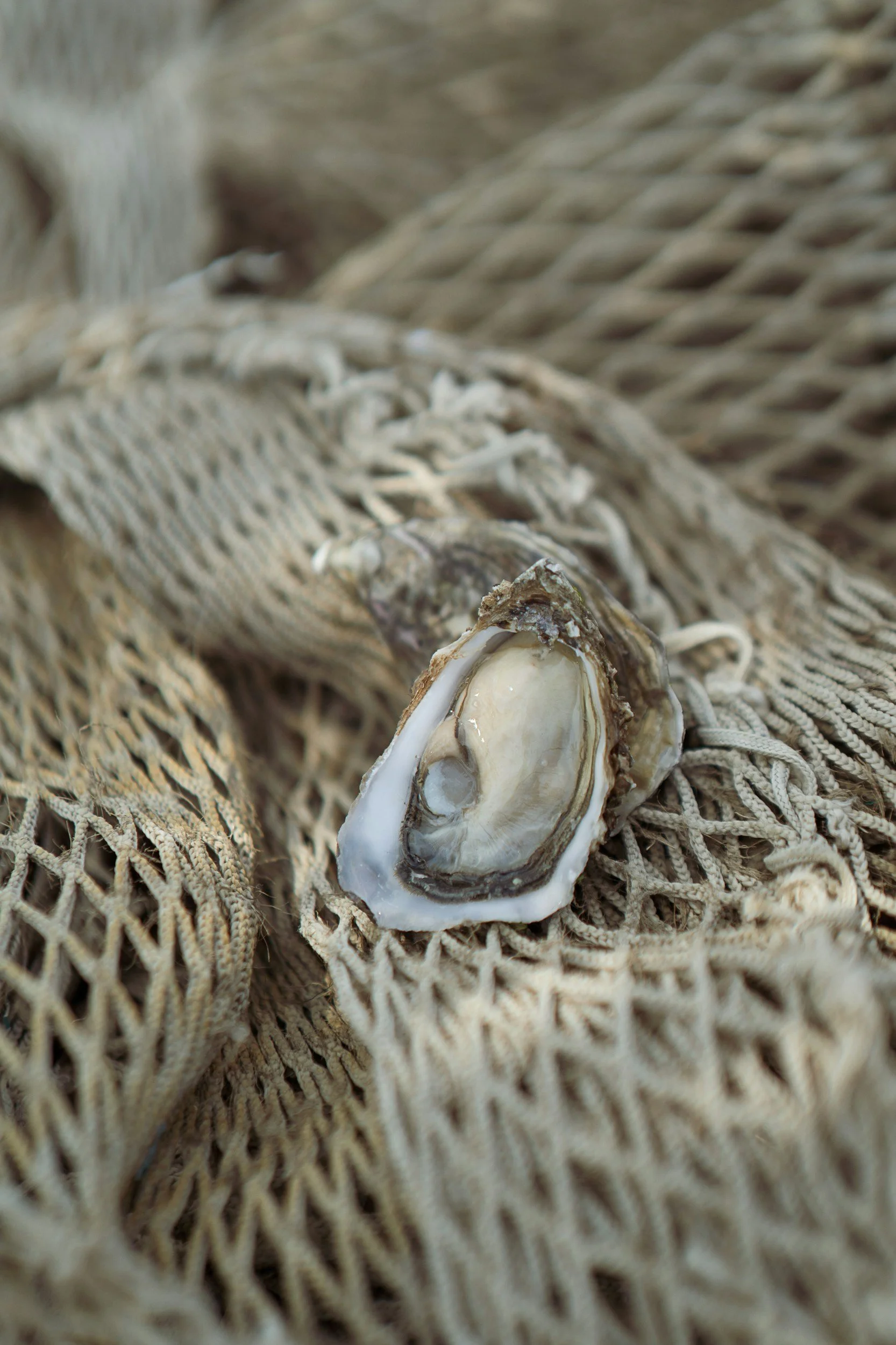
Oysters have been an important part of the Pacific Northwest coast for thousands of years. Indigenous communities harvested and relied on oysters long before modern aquaculture began. Over time, the native Olympia oyster became scarce because of overharvesting and habitat loss. To support demand, Pacific oysters were brought from Japan in the early 1900s and quickly became the main oyster species farmed in Oregon, Washington, and California.
Today, Pacific oysters are a major part of the West Coast seafood industry. Farmers grow them in bays and estuaries using methods that either suspend oysters in the water or place them directly on the seafloor. Pacific oysters are popular because they grow relatively quickly, adapt well to different environments, and are valuable both economically and culturally.
Oyster farming supports thousands of jobs across the West Coast and contributes hundreds of millions of dollars to local economies. In addition to food production, oyster farms can also help coastal ecosystems by filtering water and creating habitat for marine life.
What Are Mud Blister Worms?
Mud Blister Worms (MBWs) are small marine worms that burrow into oyster shells. They do not usually harm humans or make oysters unsafe to eat, but they can damage the appearance and quality of the shell.
When the worms burrow into an oyster shell, the oyster reacts by building extra shell material around the worm. This creates a raised “blister” inside the shell that fills with mud, waste, and sediment. These blisters can make oysters less appealing to buyers and consumers.
MBWs can also stress oysters by forcing them to use energy repairing their shells instead of growing normally. In severe cases, the worms may weaken the shell or interfere with the oyster’s ability to close itself properly.
Why Are Mud Blister Worms Becoming More Common?
Mud Blister Worms have been found in shellfish farms around the world for many years. They likely spread through the movement of oysters, shells, and ballast water from ships.
In the Pacific Northwest, scientists believe changing ocean conditions — including warming waters and changing sediment environment — may be helping MBW populations grow. The worms were first reported in Washington in 2017 and later detected in Oregon in 2024.
Because the worms live hidden inside oyster shells, growers often do not know an oyster is infested until it is opened. This makes monitoring and quality control difficult for oyster farmers.
Why This Matters
Pacific oysters are one of the most important shellfish industries on the West Coast. Oyster farming supports coastal jobs, tourism, restaurants, and small family-owned businesses. Oysters also hold deep cultural importance for Indigenous communities and remain an iconic part of Pacific Northwest cuisine and identity.
As Mud Blister Worms become more common, growers are increasingly concerned about how consumers and seafood buyers will react to oysters with visible shell damage — even though the oysters remain safe to eat.
This study explores how oyster growers, seafood buyers, and consumers view Mud Blister Worms and how these perceptions may affect the future of the Pacific Northwest oyster industry.