Seafood Buyers and Restaurants
Five seafood professionals — including oyster wholesalers and restaurant purchasers — took part in the study. Their businesses were located in Oregon and California, and all regularly sold Pacific oysters from locations across the West Coast, including Oregon, Washington, California, and Alaska.
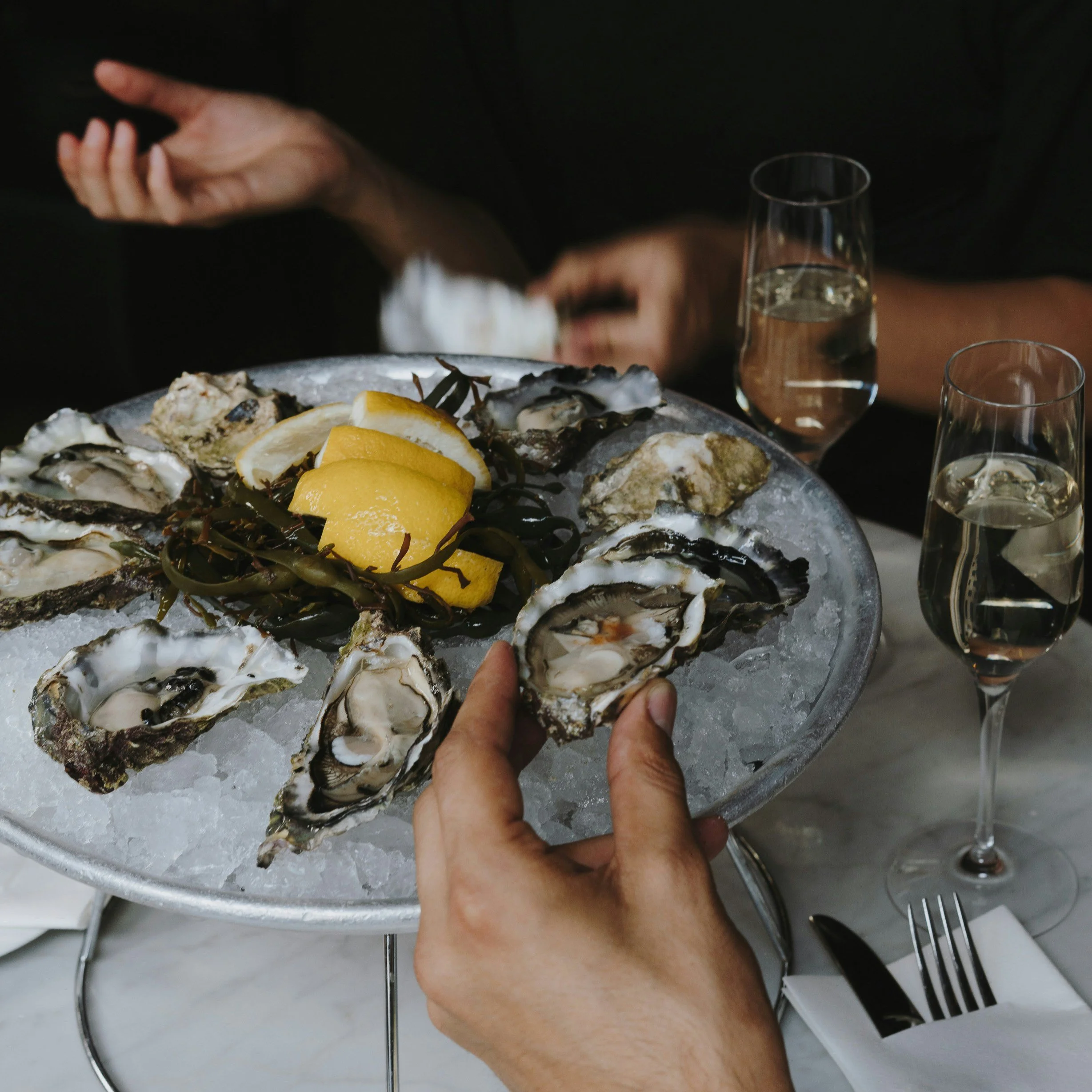
All businesses served raw oysters, along with cooked preparations like fried, broiled, or stewed oysters. Raw oysters were especially important to the study because customers can clearly see the shell, making Mud Blister Worms (MBWs) more noticeable.
Awareness of Mud Blister Worms
Most seafood buyers and restaurant professionals had never heard of MBWs before the study.
Only one participant was already familiar with them. This person described MBWs mainly as a cosmetic issue that could affect how customers feel about oysters. They were also the only respondent who had personally encountered oysters with MBWs and had received a customer complaint about them.
Even so, they said MBWs were not currently causing major business problems.
How Businesses Respond
The one business familiar with MBWs said they responded by temporarily buying oysters from different growers when infestations appeared. They also adjusted which oysters they offered on their menu rather than changing how the oysters were prepared or served.
Overall, seafood buyers said the most important factors when purchasing oysters are:
Freshness
Consistency
Meat quality
However, customer perception was still a major concern.
When asked whether they would continue selling oysters with MBWs if the taste was unaffected:
Some said they would stop serving those oysters entirely
Others said they would switch suppliers instead
Most participants worried that visible shell damage could reduce customer confidence and lead to complaints or negative reactions.
The findings suggest that even though MBWs do not affect food safety, appearance plays a major role in how restaurants and seafood businesses decide what oysters to sell.