Main Goal of the Study
Mud Blister Worms (MBWs) are becoming more common in Pacific Northwest oyster farms. Although these worms do not make oysters unsafe to eat, they can change how oysters look, which may affect how people feel about buying or selling them.
This study looks at how three main groups view MBWs:
Consumers
Seafood buyers and restaurants
Oyster growers
The goal is to better understand:
How much people know about MBWs
Whether they are concerned about them
How oyster appearance affects buying and selling decisions
The study also explores why oyster growers are generally less worried about MBWs than consumers and seafood sellers.
Another important goal is to create clear educational materials that explain MBWs are mainly a cosmetic issue, not a food safety problem. These materials could help growers and seafood businesses communicate more openly with customers and build trust.
To view these materials, please view the Materials tab!
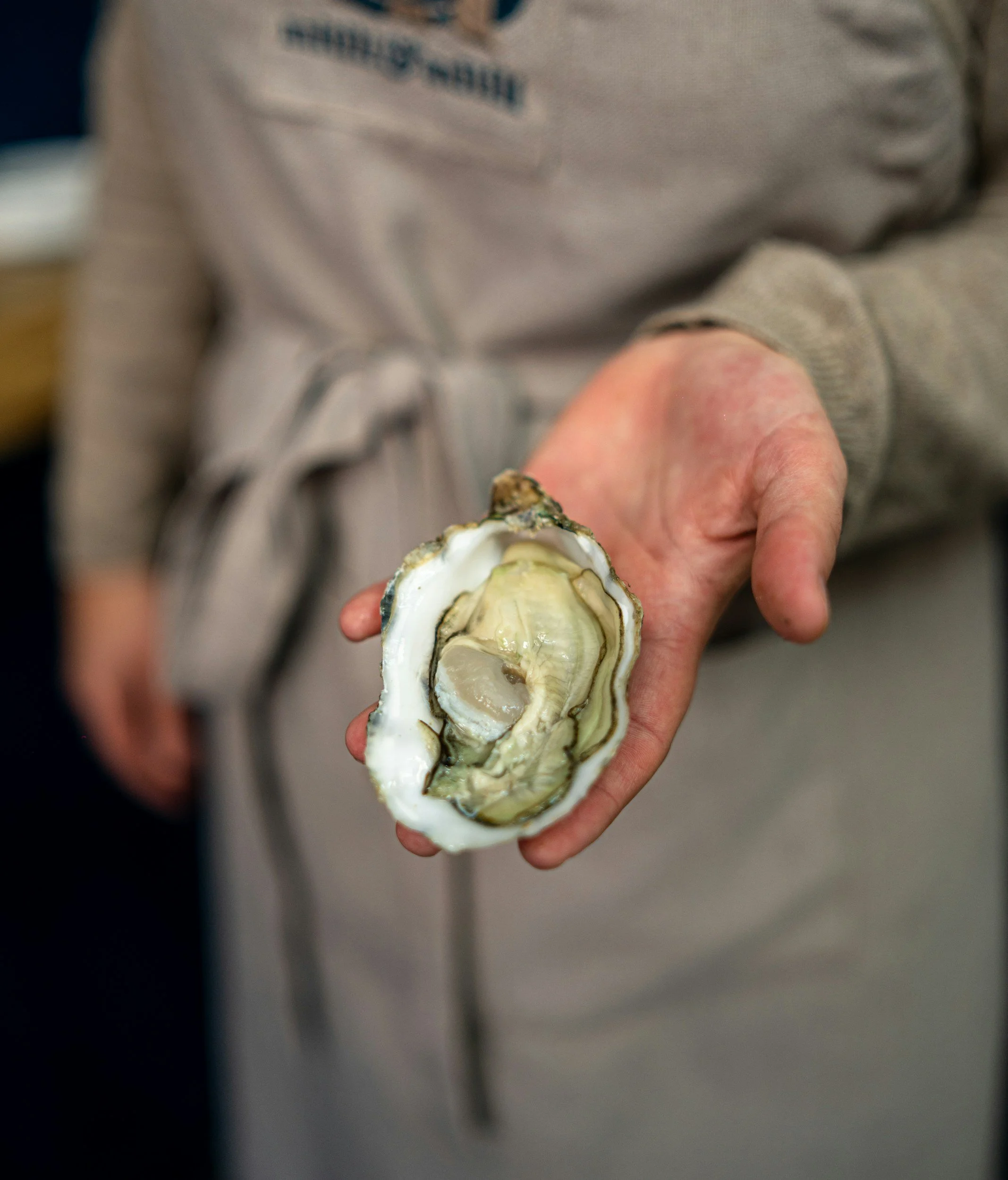
Consumer Goals
This part of the study focuses on how everyday consumers react to oysters with Mud Blister Worms.
Researchers want to learn:
Whether people have heard of MBWs before
How they react when they see affected oysters
What people look for when deciding if an oyster seems safe or fresh
The study also examines whether public education could help people better understand the difference between natural shell imperfections and actual contamination or disease.
Researchers are also interested in ideas from the “ugly food” movement, which encourages people to accept foods that may not look perfect but are still safe and high quality. The study explores whether a similar approach could help normalize oysters affected by MBWs.
Seafood Buyer and Restaurant Goals
This section looks at how restaurants, seafood markets, and distributors respond to oysters with MBWs.
The study examines:
Whether businesses openly discuss MBWs with customers
How MBWs affect purchasing decisions
How seafood businesses protect customer trust and their reputation
Researchers also want to identify the best ways for oyster growers and seafood sellers to work together when communicating with customers about MBWs.
Oyster Grower Goals
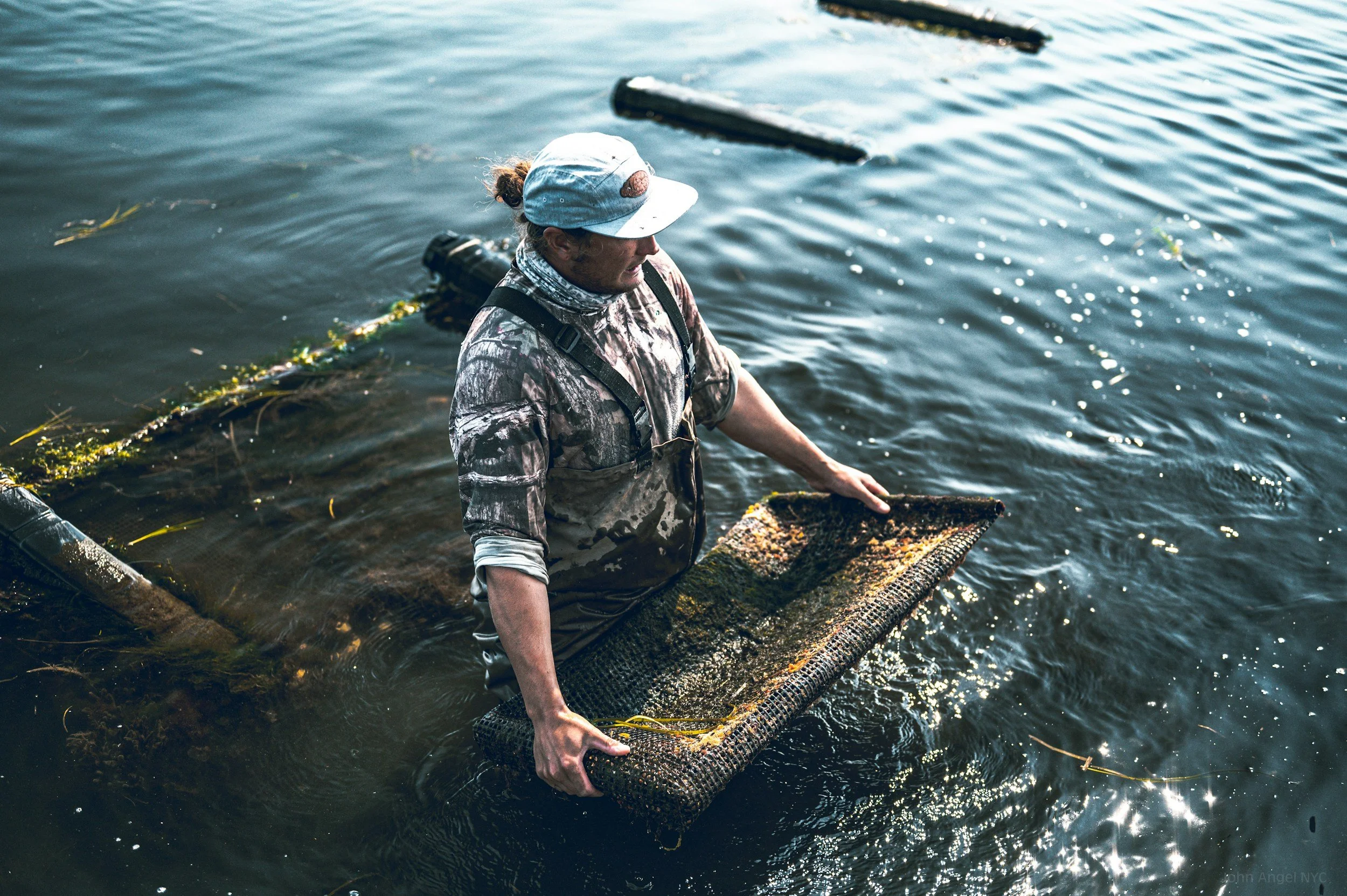
This part of the study focuses on oyster farmers and how they view MBWs.
Researchers want to understand:
How concerned growers are about the worms
What steps growers take to monitor or reduce infestations
Why many growers see MBWs as more of a cosmetic issue than a serious threat
The study also explores how growers can help educate the public about MBWs and reduce misinformation through clear and consistent communication.
Why This Research Matters
As environmental conditions continue to change, oyster farmers may face new challenges that affect how seafood looks, grows, or is perceived by the public.
This research aims to help the oyster industry respond to those challenges by improving communication, increasing public understanding, and supporting long-term trust in Pacific Northwest oysters.