Oyster Growers
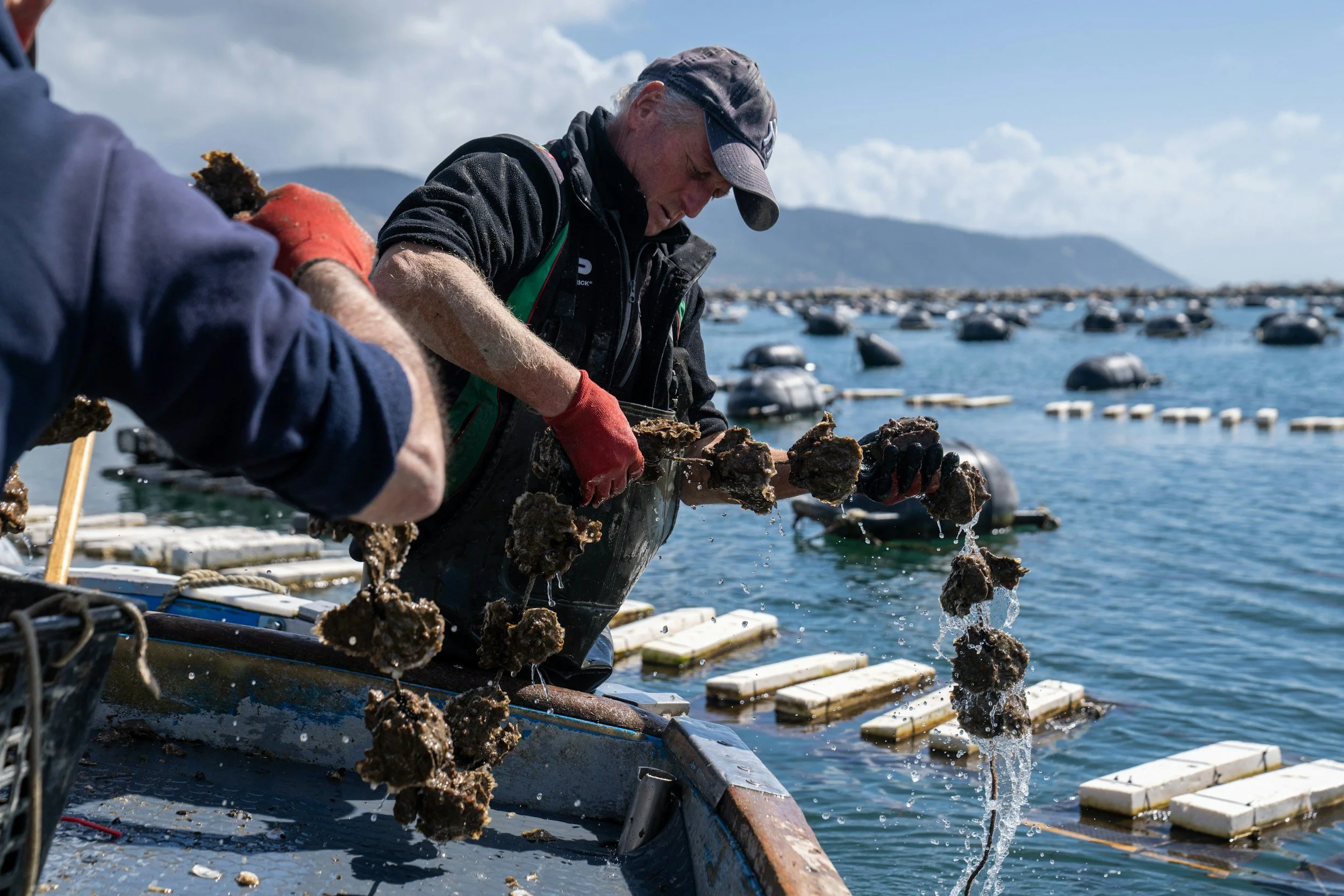
Ten oyster growers from California, Oregon, and Washington took part in the study. Most were family-owned farms, including several that had been operating for generations. Pacific oysters made up most of their business, and growers used a variety of farming methods depending on their location and operation size.
Growers agreed that the most desirable oysters are ones with:
Strong shells
Deep cups
Uniform shapes
Attractive appearance
All growers were already familiar with Mud Blister Worms (MBWs). Most described them as a cosmetic problem that can damage the shell’s appearance and make oysters harder to sell, especially in the premium half-shell market where presentation matters most.
Even so, most growers said MBWs are not currently causing major problems on their farms. Only a few reported noticeable infestation levels, and most viewed the worms as a possible future concern rather than an immediate threat.
The biggest worry among growers was not food safety or taste — it was consumer reaction. Growers consistently said that MBWs do not change the flavor of oysters and that affected oysters are still safe to eat. However, they recognized that customers may reject oysters that look damaged or unusual.
Some growers noted that if MBWs become more common, farms may need to spend more time sorting and grading oysters to remove visibly affected shells. This could increase labor costs and make oysters more expensive overall.
Although growers are aware of possible treatments or prevention methods, such as additional cleaning and maintenance practices, most are not currently using them because infestation levels remain relatively low.
Many growers also acknowledged that consumers generally know very little about MBWs. Few farms currently discuss the issue openly with buyers, highlighting a gap between what growers understand and what customers know about oyster health and quality.