What the Study Found
This study explored how Mud Blister Worms (MBWs) are viewed by consumers, seafood businesses, and oyster growers in the Pacific Northwest.
One of the clearest findings was that most people knew very little about MBWs before participating in the study. However, once they saw what MBW-infested oysters looked like, many reacted strongly to the appearance.
Even though MBWs do not make oysters unsafe to eat, shell appearance had a major impact on how people judged oyster quality.
At the same time, the study found that many participants were open to learning more. Consumers and seafood buyers showed a willingness to reconsider their opinions when they learned that MBWs are mainly a cosmetic issue rather than a health risk. This suggests that education and clear communication could help reduce negative reactions in the future.
Consumers
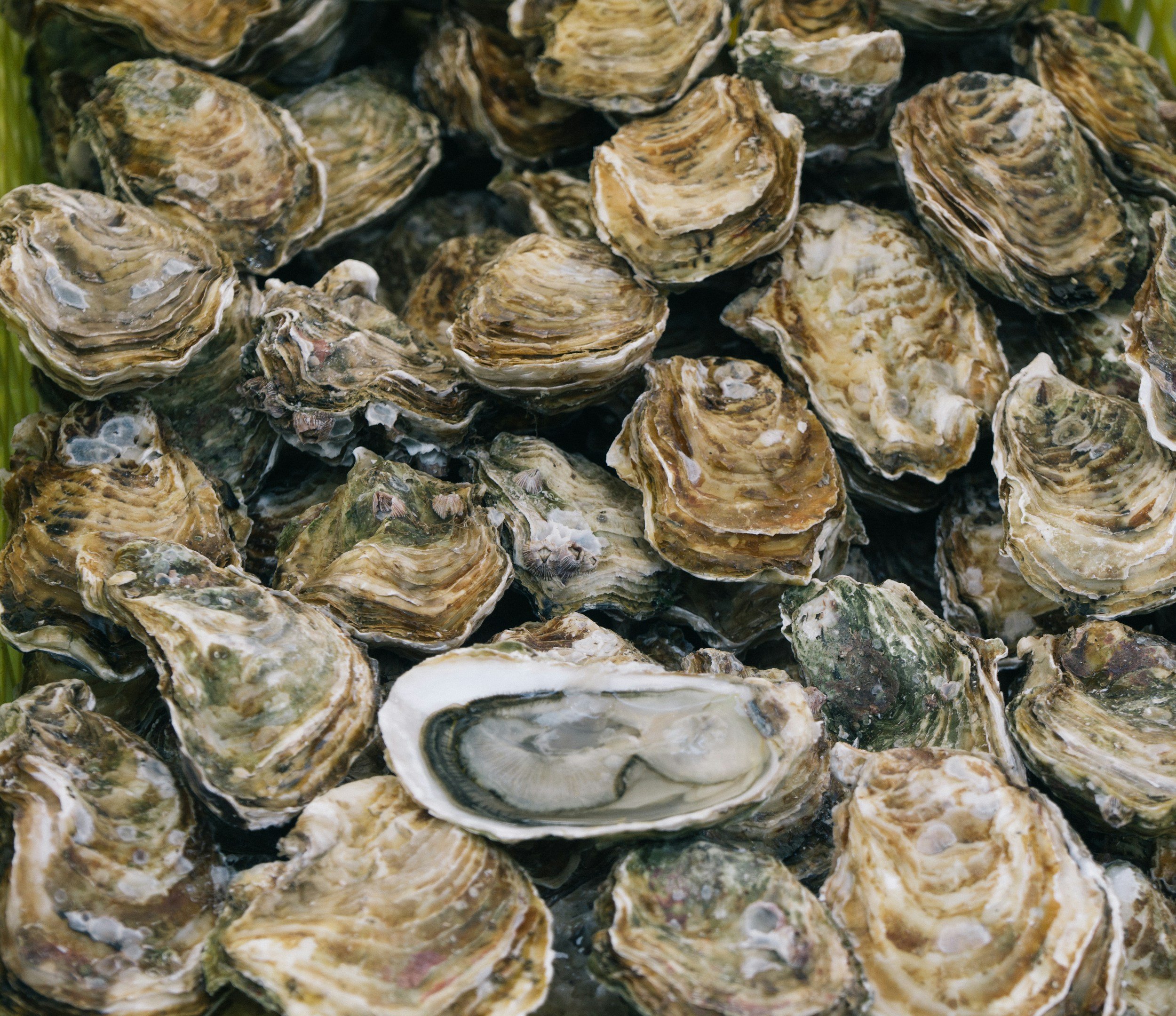
Consumers in the study relied heavily on appearance when deciding whether an oyster looked fresh, clean, or safe to eat. Oysters with visible shell blisters or discoloration were often viewed negatively.
Many participants associated shell damage with:
Disease
Contamination
Poor quality
However, the study also found that many consumers have limited knowledge about what healthy oysters normally look like. Some participants even misunderstood the appearance of healthy oyster shells.
This creates an opportunity for public education. Researchers believe that providing clear information about MBWs and oyster health could help consumers better understand the difference between harmless natural variation and actual food safety concerns.
The study also suggests that ideas from the “ugly food” movement may help. Similar to how imperfect fruits and vegetables are marketed as natural and sustainable, oysters affected by MBWs could potentially be presented as a normal part of the marine environment rather than as defective products.
Consumers also expressed concern that MBWs could:
Increase oyster prices
Reduce oyster availability
Affect the future of oyster farming
Despite these worries, many respondents said they would appreciate honest communication and transparency from oyster growers and seafood businesses.

Seafood Purveyors
Restaurants, seafood markets, and wholesalers were highly sensitive to customer perception.
Even though most purveyors had little prior knowledge of MBWs, they quickly recognized that shell appearance could become a serious business issue. Because oysters are often served raw and visually displayed to customers, appearance is especially important in restaurants and premium seafood markets.
Purveyors worried that visible shell damage could:
Reduce customer confidence
Lead to complaints
Hurt restaurant reputation
Affect sales
Some businesses said they would stop serving affected oysters or switch suppliers if MBWs became more common.
The study found that the main concern for seafood businesses was not food safety or taste — it was customer reaction.
Researchers suggest that restaurants and seafood vendors may eventually need clearer communication strategies, staff education, and customer information if public awareness of MBWs continues to grow.
Oyster Growers
Growers generally viewed MBWs differently than consumers and seafood businesses.
Most growers were aware of the worms but did not see them as a major threat at the moment. Since MBWs do not usually kill oysters or affect taste, many growers considered them more of a nuisance than a crisis.
However, growers did recognize that consumer perception could become a bigger problem in the future than the worms themselves.
The study found a noticeable gap between growers and the market:
Growers were relatively unconcerned
Consumers and seafood buyers were much more sensitive to shell appearance
Researchers warn that this disconnect could become a problem if MBWs become more visible or more widely discussed publicly.
At the time of the study, few growers were actively educating customers about MBWs or discussing the issue openly. Researchers suggest that better communication and collaboration across the oyster industry may help maintain public trust and reduce misinformation.
Why Communication Matters
One of the most important findings of the study is that perception matters almost as much as biology in the oyster industry.
Even though MBWs are mainly a cosmetic issue, people often judge oysters based on appearance. Because of this, public understanding and communication may play a major role in how the industry responds in the future.
Researchers suggest that:
Consumer education
Transparency
Collaboration between growers and seafood businesses
Clear messaging about food safety
could all help reduce fear and protect confidence in Pacific Northwest oysters.
Study Limitations
The study included a relatively small number of oyster growers and seafood businesses, which limits how broadly the results can be applied. Recruiting participants was difficult because many growers and restaurant professionals had limited time or were hesitant to discuss MBWs publicly.
Most participants were also located in California, although responses from Oregon and Washington were generally very similar.
Even with these limitations, the study provided valuable insight into how people across the oyster industry currently view Mud Blister Worms and how those views could shape the future of Pacific Northwest oyster farming.